
Which device would you like help with ?
Alarms | Including Smoke, Carbon MX & Heat Alarms
Photoelectric Smoke Alarms
ACGL-001PE & ACGL-002PE
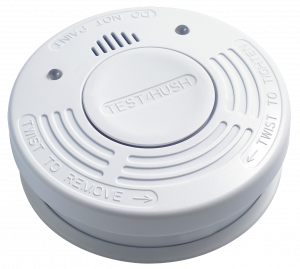
Model : ACGL-001/2PE | 10 Year Sealed Battery Photoelectric Smoke Alarm
- Power Source: DC3V ( built-in CR 123A)
- Quiescent Current:≤2uA
- Alarming mode: ≤120mA
- Alarming Decibel: ≥85dB/3m
- Size: (diameter) 101 x34mm
- Low battery signal
- Push to Test
- HUSH Feature
- Warranty | 12th Return to base warranty (RTB) - Please Contact us to for more information
- Please Note : Clients with an active subscription will receive on-site support as part of our Subscription Smoke Alarm Service
Certifications

Frequently Asked Questions
If you own residential rental properties, you are required to have working smoke alarms in each of your properties under the Residential Tenancies (Smoke Alarm and Insulation) Regulations 2016.
Smoke alarms a critical life saving device designed to alert occupants in the event of a fire and prevent avoidable deaths.
The Regulations state the following:
- There must be at least one working smoke alarm in within 3 metres of each bedroom door or every room where a person sleeps
- In self-contained caravans, sleepouts or similar there must be a minimum of one working smoke alarm
- In multi-storey or multi-level homes (including split levels) there must be at least one smoke alarm on each level or storey.
From the 1 July 2016, f you are installing new smoke alarms or if you are replacing an existing smoke alarm, you must install photoelectric smoke alarms with long life batteries that have a life span of at least 8 years.
Smoke alarms must comply with one of the following manufacturing standards: Australian Standard AS3786:1993; or equivalent international standard: UL217 (USA), ULCS531 (Canada), BS5446: Part 1 (United Kingdom), BS EN 14604 (United Kingdom) or ISO12239 (International) – this should be prominently displayed on the packaging and on the alarm.
This will depend on a number of factors.
- How many levels the house has
- How many bedrooms or locations where people sleep the house has
- Whether there are outlying buildings that require smoke alarms
- Personal preference of any extra devices you want to install.
Refer to above for the requirements of smoke alarms.
Our market leading subscription service price is $86.91 ex GST. Our subscription service includes:
- Annual checks of all devices on your property
- Replace expired or non-functioning alarms with our new All Clear Smoke Alarms (if required for compliance)
- Install Unlimited devices (if required for compliance)
- Free re-visit at tenancy change, or to replace faulty alarms (faulty alarms are devices we have installed only)
- Comprehensive testing of all devices
- Detailed report.
Our Casual Service costs $69.95 ex GST. This is our one off service offering. It includes:
- Installation and testing of smoke alarms but no hardware is included in this service
- Devices are charged separately per smoke alarm at $39.95 ex GST if required for compliance (or requested by client)
- A casual service fee is charged per visit.
If a device that we have installed is faulty, we will return to the property free of charge to replace the unit. If the fault is caused by the environment (such as too near a bathroom) the device will be moved and tested in full.
Smoke alarms should be tested in full every year, or at every tenancy change, to ensure they are functioning correctly.
Our subscription service will automatically advise you of when the next annual assessment is due.
You are under no obligation subscribe at all; however, our advice is to take advantage of the benefits that go with our subscription service.
If you cannot commit to the terms of the subscription service, then our casual service is available as well (see pricing above).
Existing devices that are already installed in a property do not have to be replaced but the must meet the following requirements:
- If installed before the 1 July 2016, Ionisation devices can still be used, however we recommend replacing these if the device is in a “required for compliance” location
- Older type alarms should be checked to ensure they have not passed their expiration date or are not within 6 months of their expiration date. The date should be shown clearly on the back of the device.
- Old alarms must still comply with one of the required standards
- Australian Standard AS3786:1993; or equivalent international standard: UL217 (USA), ULCS531 (Canada), BS5446: Part 1 (United Kingdom), BS EN 14604 (United Kingdom) or ISO12239 (International) – this should be prominently displayed on the packaging and on the alarm
- The device must function correctly when tested.
Yes, hardwired smoke alarms are an acceptable alternative and the same requirements that apply to photoelectric alarms also apply to hardwired alarms.
The hardwired system must:
- Have at least one working smoke alarm in within 3 metres of each bedroom door or every room where a person sleeps. Or within each bedroom.
- In multi-storey or multi-level homes (including split levels) there must be at least one smoke alarm on each level or storey
- Hard-wired alarm systems do not have to display an expiration date but if they do it must not have passed that date
- If the system is over 10 years old, it should be replaced.
Smoke alarms should be positioned in such a way that in the event of a fire, they have maximum exposure to any smoke within the room. This will allow for an early activation of the alarm to alert the occupants, allowing more time to escape.
Smoke alarms should not be located in such a way that causes false alarms or will not activate the alarm early enough. Avoid placing smoke alarms in places such as:
- Near kitchens or bathrooms
- Near heat sources such as fireplaces or flues
- In damp or humid areas such as near showers or saunas
- Near draughty areas such as air supply vents
- In “Dead Air Zones”.
Dead air zones are areas in corners of a room, usually where a wall meets the ceiling, where air gets trapped and forms an air bubble that prevent this space from filling with smoke.
Alarms placed in these locations will not detect smoke early enough as smoke will roll over the air bubble and not fill this part of the room.
Examples of Dead Air Space are:
- Corners where walls meet ceilings
- Apex points of sloped or cathedral ceilings
- Areas between beams and rafters.
ACGL-003PE
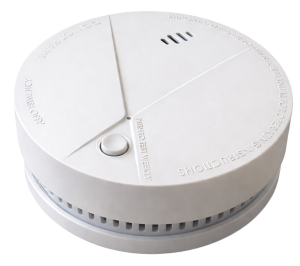
Model : HM-626PH Series | 10 Year Sealed Battery Photoelectric Smoke Alarm
- Power Source: DC3V (Battery built-in)
- Alarming Decibel: ≥85dB/3m
- Size: (diameter) 95 x41mm
- Visual Alarm Signal: Red LED indicator
- Push to Test
- Warranty | 12th Return to base warranty (RTB) – Please Contact us to for more information
- Please Note : Clients with an active subscription will receive on-site support as part of our Subscription Smoke Alarm Service
Certifications
Frequently Asked Questions
If you own residential rental properties, you are required to have working smoke alarms in each of your properties under the Residential Tenancies (Smoke Alarm and Insulation) Regulations 2016.
Smoke alarms a critical life saving device designed to alert occupants in the event of a fire and prevent avoidable deaths.
The Regulations state the following:
- There must be at least one working smoke alarm in within 3 metres of each bedroom door or every room where a person sleeps
- In self-contained caravans, sleepouts or similar there must be a minimum of one working smoke alarm
- In multi-storey or multi-level homes (including split levels) there must be at least one smoke alarm on each level or storey.
From the 1 July 2016, f you are installing new smoke alarms or if you are replacing an existing smoke alarm, you must install photoelectric smoke alarms with long life batteries that have a life span of at least 8 years.
Smoke alarms must comply with one of the following manufacturing standards: Australian Standard AS3786:1993; or equivalent international standard: UL217 (USA), ULCS531 (Canada), BS5446: Part 1 (United Kingdom), BS EN 14604 (United Kingdom) or ISO12239 (International) – this should be prominently displayed on the packaging and on the alarm.
This will depend on a number of factors.
- How many levels the house has
- How many bedrooms or locations where people sleep the house has
- Whether there are outlying buildings that require smoke alarms
- Personal preference of any extra devices you want to install.
Refer to above for the requirements of smoke alarms.
Our market leading subscription service price is $86.91 ex GST. Our subscription service includes:
- Annual checks of all devices on your property
- Replace expired or non-functioning alarms with our new All Clear Smoke Alarms (if required for compliance)
- Install Unlimited devices (if required for compliance)
- Free re-visit at tenancy change, or to replace faulty alarms (faulty alarms are devices we have installed only)
- Comprehensive testing of all devices
- Detailed report.
Our Casual Service costs $69.95 ex GST. This is our one off service offering. It includes:
- Installation and testing of smoke alarms but no hardware is included in this service
- Devices are charged separately per smoke alarm at $39.95 ex GST if required for compliance (or requested by client)
- A casual service fee is charged per visit.
If a device that we have installed is faulty, we will return to the property free of charge to replace the unit. If the fault is caused by the environment (such as too near a bathroom) the device will be moved and tested in full.
Smoke alarms should be tested in full every year, or at every tenancy change, to ensure they are functioning correctly.
Our subscription service will automatically advise you of when the next annual assessment is due.
You are under no obligation subscribe at all; however, our advice is to take advantage of the benefits that go with our subscription service.
If you cannot commit to the terms of the subscription service, then our casual service is available as well (see pricing above).
Existing devices that are already installed in a property do not have to be replaced but the must meet the following requirements:
- If installed before the 1 July 2016, Ionisation devices can still be used, however we recommend replacing these if the device is in a “required for compliance” location
- Older type alarms should be checked to ensure they have not passed their expiration date or are not within 6 months of their expiration date. The date should be shown clearly on the back of the device.
- Old alarms must still comply with one of the required standards
- Australian Standard AS3786:1993; or equivalent international standard: UL217 (USA), ULCS531 (Canada), BS5446: Part 1 (United Kingdom), BS EN 14604 (United Kingdom) or ISO12239 (International) – this should be prominently displayed on the packaging and on the alarm
- The device must function correctly when tested.
Yes, hardwired smoke alarms are an acceptable alternative and the same requirements that apply to photoelectric alarms also apply to hardwired alarms.
The hardwired system must:
- Have at least one working smoke alarm in within 3 metres of each bedroom door or every room where a person sleeps. Or within each bedroom.
- In multi-storey or multi-level homes (including split levels) there must be at least one smoke alarm on each level or storey
- Hard-wired alarm systems do not have to display an expiration date but if they do it must not have passed that date
- If the system is over 10 years old, it should be replaced.
Smoke alarms should be positioned in such a way that in the event of a fire, they have maximum exposure to any smoke within the room. This will allow for an early activation of the alarm to alert the occupants, allowing more time to escape.
Smoke alarms should not be located in such a way that causes false alarms or will not activate the alarm early enough. Avoid placing smoke alarms in places such as:
- Near kitchens or bathrooms
- Near heat sources such as fireplaces or flues
- In damp or humid areas such as near showers or saunas
- Near draughty areas such as air supply vents
- In “Dead Air Zones”.
Dead air zones are areas in corners of a room, usually where a wall meets the ceiling, where air gets trapped and forms an air bubble that prevent this space from filling with smoke.
Alarms placed in these locations will not detect smoke early enough as smoke will roll over the air bubble and not fill this part of the room.
Examples of Dead Air Space are:
- Corners where walls meet ceilings
- Apex points of sloped or cathedral ceilings
- Areas between beams and rafters.
Interconnected Smoke Alarms
ACGL-001WXPE
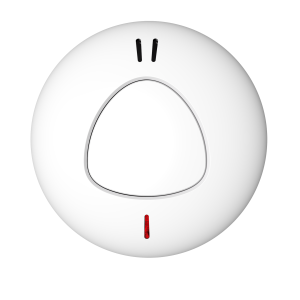
Model : ACGL-001WXPE | 10 Year Sealed Battery Wireless Interconnected Photoelectric Smoke Alarm
- Working voltage: DC 3V Battery-Non replaceable
- Standby current: <10uA
- Alarm current: <60mA
- Low voltage threshold: 2.6V
- Frequency range: 433.92 MHz
- Alarms Sound Level: 85dB/3m
- Product Life: 10 years
- Battery Life: 10 years
- Internal Connection Range: 20M
- Connect up to a max of 22 units
- Complies with AS3786:2014+A1+A2
- Complies with the NZ building code and NZS 4514:2021.
- Compatible with Both Watchman (AJ-760SI) & Goldair (AJ-765SI) Wireless Devices
- Warranty | 24th Return to base warranty (RTB) - Please Contact us to for more information
Certifications
Frequently Asked Questions
Answer: Interconnected smoke alarms are linked so that when one alarm sounds, all alarms sound. This provides faster and more widespread alerts in case of fire/gas leak.
Answer: In New Zealand, interconnected alarms are required in new builds and major renovations under the Building Code, but are not yet mandatory for existing homes or rental properties—though they are strongly recommended.
Answer: No. Interconnection can be achieved via hardwiring or wireless (radio frequency) connections. Wireless options are suitable for retrofitting existing homes.
Answer: At a minimum, in every bedroom, in hallways outside bedrooms, and on every level of the home (including basements and attics if they are habitable).
Answer: They increase the chances of early detection and escape/assess the situation by ensuring everyone in the home is alerted, even if the smoke starts in a distant room.
Answer: in order to properly test the functionality of each alarm a smoke test should be performant to ensure the device is working correctly.
Answer: Most smoke alarms, including interconnected ones, should be replaced every 10 years, or sooner if recommended by the manufacturer by expiry date.
Carbon MX Smoke Alarms
ACGL-001WXCO
Frequently Asked Questions
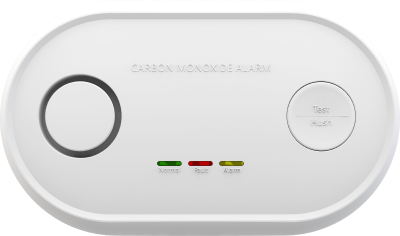
It detects carbon monoxide (CO) – a colourless, odourless, tasteless, and highly toxic gas.
CO can be produced by gas appliances, fireplaces, heaters, or vehicle exhaust. Inhaling CO prevents oxygen from circulating in your blood, which can lead to headaches, dizziness, unconsciousness, or death.
Press the button on the back of the unit (use the included stick if necessary). The green light will flash while the alarm warms up. When it stops flashing, press the Test button to confirm it’s working.
- Green light (slow flash): Normal operation
- Red light + beeping: CO detected – evacuate immediately
- Yellow light + 2 beeps: Fault – replace the unit
- Yellow light + 3 beeps: Low battery – replace the unit
- CO levels of 50–100 PPM trigger after about 80 minutes
- CO levels of 100–300 PPM trigger after about 30 minutes
- CO levels above 300 PPM trigger in about 50 seconds
Yes – pressing the button will silence it for around 10 minutes, but if CO levels stay high, the alarm will reactivate. (If CO is over 300 PPM, it cannot be silenced.)
Test weekly by pressing the Test button. Also test after long periods away from home.
Install near fuel-burning appliances, bedrooms, or sleeping areas. Place 1–3 meters from the appliance and near the ceiling (at least 150 mm below it).
Vacuum the alarm weekly with a soft brush. Do not use water, solvents, or sprays. Replace the unit if it shows a fault or after its 10-year life span.
- Open doors and windows to ventilate.
- Move everyone to fresh air.
- Call emergency services if anyone feels unwell.
- Do not re-enter until the source of CO has been found and fixed.
Yes, it has a 2-year warranty covering manufacturing defects (not misuse, damage, or incorrect installation).
Heat Alarms
AJ-770T4 (New)
Frequently Asked Questions
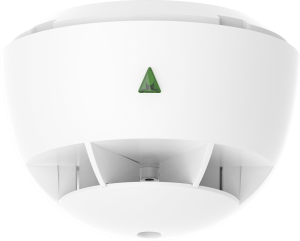
The AJ-770T4 is designed for areas where a smoke alarm isn’t suitable, such as kitchens, garages, laundries, or workshops. It detects rapid increases in temperature rather than smoke.
It uses an advanced thermistor sensor that sounds an 85dB alarm and flashes a red light when the temperature reaches between 54°C and 70°C. It also sends a wireless signal to trigger any interconnected alarms nearby.
Yes. Up to 100 alarms can be interconnected wirelessly using the 433MHz frequency. When one alarm is triggered, all connected alarms will sound.
Press and hold the side button to simulate an alarm. It will sound for about 9 seconds and trigger other alarms in the network. Wait 18 seconds before testing again.
- Green flash every 60 seconds: Normal operation
- Red flash every 60 seconds: Low battery
- Yellow flash twice every 60 seconds: Fault warning
- Red flash every 0.3 seconds with sound: Alarm activated
Press the side button once. This activates a 9-minute hush period.
- Choose one alarm as the MASTER.
- Press and hold the side button until the green light flashes three times.
- On each STUDENT alarm, press and hold until the green light flashes twice.
- When paired successfully, the red light on the STUDENT will flash three times.
- To reset the alarm, press and hold the side button until the green light flashes four times.
The recommended communication distance is up to 20 meters indoors. Thick walls or complex structures may reduce range.
This usually means low battery or a fault. Check the LED pattern (red or yellow flashes) and contact your installer or supplier if needed.
The sealed lithium battery provides power for approximately 10 years, matching the product’s expected lifespan.
If you cannot control the fire, evacuate immediately and call emergency services. Never attempt to silence or remove the alarm before ensuring safety.
Yes. The alarm includes a 2-year limited warranty, excluding damage from neglect, extreme environmental conditions, or improper maintenance.
AJ-965TU4
Frequently Asked Questions
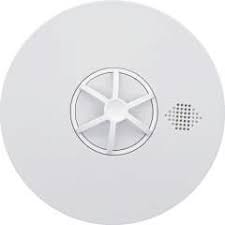
The AJ-965TU4 is designed for areas where a smoke alarm isn’t suitable, such as kitchens, garages, laundries, or workshops. It detects rapid increases in temperature rather than smoke.
It uses an advanced thermistor sensor that sounds an 85dB alarm and flashes a red light when the temperature reaches between 54°C and 70°C. It also sends a wireless signal to trigger any interconnected alarms nearby.
Yes. Up to 100 alarms can be interconnected wirelessly using the 433MHz frequency. When one alarm is triggered, all connected alarms will sound.
Press and hold the side button to simulate an alarm. It will sound for about 9 seconds and trigger other alarms in the network. Wait 18 seconds before testing again.
- Green flash every 60 seconds: Normal operation
- Red flash every 60 seconds: Low battery
- Yellow flash twice every 60 seconds: Fault warning
- Red flash every 0.3 seconds with sound: Alarm activated
Press the side button once. This activates a 9-minute hush period.
- Choose one alarm as the MASTER.
- Press and hold the side button until the green light flashes three times.
- On each STUDENT alarm, press and hold until the green light flashes twice.
- When paired successfully, the red light on the STUDENT will flash three times.
- To reset the alarm, press and hold the side button until the green light flashes four times.
The recommended communication distance is up to 20 meters indoors. Thick walls or complex structures may reduce range.
This usually means low battery or a fault. Check the LED pattern (red or yellow flashes) and contact your installer or supplier if needed.
The sealed lithium battery provides power for approximately 10 years, matching the product’s expected lifespan.
If you cannot control the fire, evacuate immediately and call emergency services. Never attempt to silence or remove the alarm before ensuring safety.
Yes. The alarm includes a 2-year limited warranty, excluding damage from neglect, extreme environmental conditions, or improper maintenance.
My Smoke Alarm keeps Beeping
Faults with smoke alarms are very common and we are often called to address a smoke alarm fault. The most common faults are.
- The smoke alarm is beeping all the time
- Numerous false alarms for no apparent reason.
Common Reasons
- Humidity - High humidity and moisture levels can contribute to false alarms. Humidity can cause condensation to form in the sensing chamber. The sensor cannot differentiate between smoke and water particles.
- Dust - dust particles can set of smoke alarms the same way smoke particles do. If the house is particularly dusty, this may be affecting the smoke alarm
- Steam - Same issue as humidity. If the device is too close to an area producing a lot of steam, such as a bathroom, this can set off the smoke alarm
- Chemicals and other smoke particles - smoke alarms can be set of by harsh chemicals such as fresh paint or harsh cleaning products. They will also be activated by cigarette or vape smoke.
- Insects - insects that have crawled into the smoke alarm device may set it off by disrupting the sensing chamber
- Smoke alarm positioning - if the device is too close to a heat source, air supply vent, fan, bathroom or kitchen, this may set the device off.
- Cooking - fumes or smoke from burning cooking will set of a smoke alarm.
- Low battery - if the device is an older device the battery may be losing power
Smoke Alarm Malfunction
Smoke alarm malfunction – the device may be genuinely faulty and require replacement.
If this is the case we are here to help! Contact us on 09 392 0000
Fire Safety | Including Fire Extinguishers & Blankets
Fire Extinguisher
Frequently Asked Questions
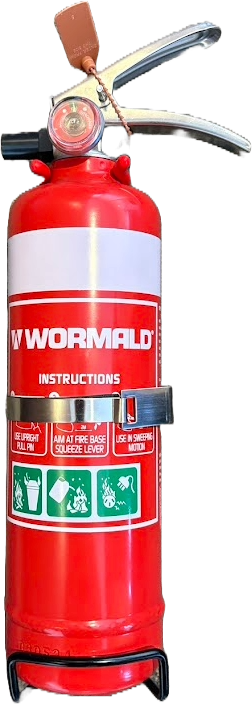
The ABE dry powder extinguisher is suitable for:
- Class A – Fires involving wood, paper, or textiles
- Class B – Fires involving flammable liquids such as petrol or paint
- Class E – Fires involving live electrical equipment
It should not be used on cooking oil or fat fires (Class F).
The letters “A,” “B,” and “E” represent the classes of fires it’s designed to extinguish — meaning it’s versatile for most common household fire types.
It releases a fine powder that forms a barrier between the fuel and the oxygen, smothering the flames and interrupting the chemical reaction that sustains combustion.
No. The ABE dry powder extinguishers provided by All Clear Group are non-rechargeable, single-use units. After any use, they must be replaced.
- Visual inspection: Yearly (usually during a smoke alarm assessment).
- Replacement: Every 5 years, or immediately after discharge.
Check that the pressure gauge is in the green (operable) zone, the safety seal is intact, and the body shows no damage or corrosion.
Install it on a wall between 100mm and 1200mm from the floor, ideally in or near the kitchen but away from heat sources like ovens or stovetops.
Ensure everyone is safe and the fire is completely out. Report the use to All Clear Group so a replacement can be arranged. Do not attempt to refill or reuse it.
Fire extinguishers are classified as hazardous waste. They should be taken to a local recycling facility or hazardous waste station — never placed in general rubbish.
Each tool is designed for different fire types. The ABE extinguisher handles solid, liquid, and electrical fires, while a fire blanket is safer and more effective for cooking oil and fat fires (Class F).
Fire Blanket
Frequently Asked Questions
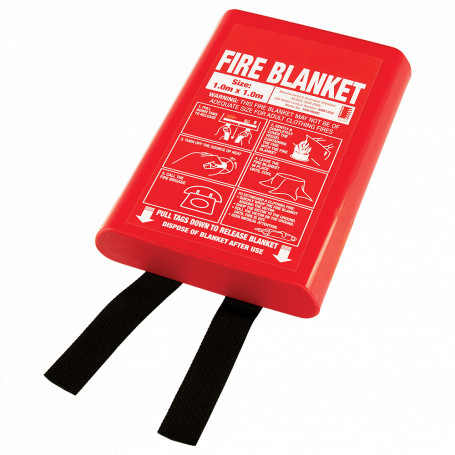
A fire blanket is used to smother small fires by cutting off their oxygen supply — most commonly kitchen fires involving oil, fat, or grease. It can also be used to wrap around a person if their clothing catches fire.
They’re made of fire-resistant fiberglass fabric, specially treated to withstand temperatures of up to 500°C.
No. Fire blankets are single-use only and must be replaced after use or if damaged. Reusing a contaminated blanket is unsafe.
Mount the blanket on a wall in or near the kitchen, away from the stovetop but within easy reach. Recommended installation height is between 1000mm and 1500mm from the floor.
- Turn off the heat source if safe to do so.
- Pull down the quick-release tabs.
- Hold the blanket with edges covering your hands.
- Gently place (don’t throw) the blanket over the fire.
- Leave it in place until the fire and oil have cooled.
Fire blankets are primarily intended for Class F (cooking oil) and small Class A or B fires. They are not recommended for electrical fires unless the power source has been isolated.
Inspect annually to ensure it’s:
- Mounted securely and easily accessible
- Free from visible damage
- Within its protective pouch
If the packaging is damaged or opened, replace the blanket.
Wrap the person in the blanket to smother the flames. Encourage them to “Get out, Stay out” while covered. Seek medical attention immediately.
Cut it into smaller pieces (wear protective gloves) and place it in normal household waste. This prevents reuse and ensures safe disposal.
Leak Alarms
Leak Alarm
Frequently Asked Questions
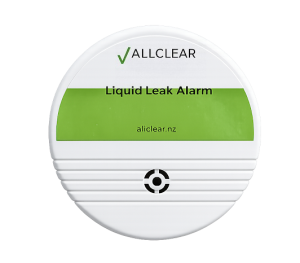
A leak alarm (or water leak detector) is a small device that sounds an alert when it detects water or moisture, helping to prevent water damage by notifying you early.
Place it near potential leak sources such as under sinks, near washing machines, water heaters, dishwashers, toilets, or in basements.
When the metal sensor probes come into contact with water, the alarm sounds immediately alerting you to a possible leak or overflow.
Yes, most models operate on a 9V battery. Ensure the battery is correctly installed and check it periodically to keep the alarm functional.
The alarm typically emits a sound of around 85–95 decibels loud enough to be heard from another room.
No, the alarm is designed to detect direct water contact. It won’t trigger due to normal humidity levels.
Touch the metal probes with a damp cloth or a small amount of water the alarm should sound within a few seconds. Dry it completely before reinstalling.
Immediately check the area for leaks or water buildup. Identify and fix the source of the leak, then dry and reset the alarm before putting it back in place.
It’s recommended to test the alarm monthly and replace the battery at least once a year, or whenever the sound weakens.
Yes, as long as the device isn’t damaged by prolonged water exposure. Once it’s dry, it can be used again.
Leak alarms are designed for indoor use only. Exposure to weather, dirt, or sunlight can affect performance.
